

Explore construction and engineering jobs in Australia. Learn what employers look for and how to secure your next technical role.

Queensland’s successful bid to host the 2032 Olympic and Paralympic Games is more than a world‑class sporting event - it’s a generational employment opportunity. With billions in economic investment and tens of thousands of jobs expected across multiple sectors, now is the time for candidates to prepare and position themselves for success. What the Olympics Means for Local Jobs . According to official forecasts, hosting the Games will generate major employment opportunities across Queensland and nationally: Approx. 130,000 direct jobs and tens of thousands more indirect roles across construction , infrastructure, tourism, logistics, manufacturing and supply chains over the next decade Expected growth in tourism, transport and trade will further expand jobs in hospitality, logistics operations and related services . Large‑scale infrastructure projects including new and upgraded venues, transport networks and housing will drive demand for technical, engineering and construction professionals. These aren’t short term gigs; many careers will stretch from now through the decade of preparation, peak around the Games and continue afterwards through legacy infrastructure and services. Opportunities by Sector . The Olympics will drive demand in industries essential to large projects and supply chains. Candidates with skills in manufacturing, logistics, and technical trades are likely to see exciting career opportunities. Construction & Engineering Some industry estimates suggest tens of thousands of extra workers will be required yearly until 2032 to meet project timelines. Skills in demand include: Civil engineering Tradespeople (electricians, plumbers, carpenters, welders) Project and site support roles Manufacturing As suppliers gear up for large-scale projects, demand is expected in: Production and assembly operations Quality assurance and process control Technical maintenance and machine operation Logistics & Supply Chain Smooth operations rely on efficient logistics and supply management: Warehouse and inventory management Transport and distribution coordination Supply chain analysis and planning Here’s how you can position yourself for the Olympic jobs surge : Boost Your Skills & Credentials Take industry relevant courses or certifications - especially in construction safety, logistics software, project coordination or technical trades. Update Your Resume for Growth Sectors Highlight relevant experience and emphasise transferable skills like teamwork, project delivery under pressure. Network & Stay Connected Connect with specialist recruiters who understand your industry. At MAYDAY Technical , we can help match your skills with relevant roles and let you know when new opportunities arise that would be a good fit for you. Why Partner with a Recruitment Specialist . At MAYDAY Technical we specialise in matching candidates with roles across: Manufacturing Logistics & Supply Chain Construction, Engineering & Technical Whether you’re an experienced professional or entering a new field, we can help you: Explore exciting opportunities Prepare your applications and interview skills Connect you with employers ready to hire now We’re here to help you get ready. Reach out today and take the next step toward exciting opportunities in Australia’s growing industries and major projects, including the 2032 Queensland Olympics.

The technical industries are evolving at pace. Sectors such as engineering, construction, manufacturing and logistics are experiencing strong demand for highly skilled professionals, while the supply of specialised talent continues to tighten. Advances across these industries are driving more complex project requirements, but workforce capability isn’t always keeping up. Businesses that cannot close skills gaps risk project delays, cost escalation, and reduced operational performance. Recruiters with deep industry expertise play an important role in connecting businesses with the right technical candidates quickly and efficiently, helping keep projects on schedule and supporting long-term growth. Challenges Faced in Hiring Skilled Technical Talent . Companies in technical sectors often face a combination of workforce challenges: Specialised skill shortages – Roles requiring engineering, trade or technical expertise are highly competitive. Time-critical project delivery – Vacancies in key positions can slow operations and impact project timelines. Retention pressure – Skilled technical professionals are in high demand, making engagement and retention as important as recruitment. Understanding these pressures is the first step toward building a more strategic and sustainable hiring approach. Strategic Approaches to Overcome Skills Gaps . Forecast Workforce Needs Early Technical projects often require long lead times. Predict your workforce needs based on project pipelines and seasonal demand, so you have time to source talent and avoid last-minute hiring pressures. Partner with Specialist Recruiters Recruiters with deep technical industry knowledge can quickly identify candidates with the right skill sets. They provide access to hidden talent pools and pre-vetted professionals, reducing time-to-hire and hiring risk. Flexible Talent Solutions Temporary, contract, and project-based staffing can bridge immediate gaps while permanent recruitment strategies are underway. Flexibility ensures operational continuity during peak workloads or urgent project phases. Invest in Skill Development Upskilling your existing team strengthens internal capability and increases retention. Certifications, training programs, and cross-skilling help your workforce adapt to emerging technologies and project requirements. Enhance Employer Value Top talent looks for more than just roles, they seek companies offering career development, challenging projects, and a culture of growth. Strengthening your employer brand makes you more attractive to skilled professionals and improves long-term retention. How MAYDAY Technical Can Help . At MAYDAY Technical , we specialise in connecting businesses with highly skilled professionals in the technical industry. We help you: Match your workforce requirements with candidates who have the precise technical expertise you need Access emerging talent pools for hard-to-fill positions Navigate flexible staffing solutions for critical project Provide insight into market trends, candidate availability, and retention strategies Working with a specialist recruitment partner ensures your business is equipped to meet the demands of today’s technical projects- on time, on budget, and with the right talent. Reach out today to discuss how we can help your business secure the technical talent it needs to succeed and stay ahead in a competitive market.

Client Overview Our client is a global manufacturer of flavours and fragrances with a turnover of approximately AU$9bn. The Australian arm sits within the APAC region, reporting to the regional headquarters in Singapore. With a relocation of their current Supply Chain Manager, they needed a highly skilled candidate with both global FMCG experience and APAC team collaboration expertise. The Challenge The client needed a candidate who could oversee both the supply chain planning and operational logistics teams. With a small talent pool of professionals meeting the specific requirements, time was critical. Filling the role efficiently was essential to avoid disruption to operations and ongoing projects. Our Approach We took a consultative, relationship-driven approach: Collaborated closely with the HR Manager and outgoing Supply Chain Manager to define essential vs. flexible role requirements. Leveraged our network of Supply Chain Managers in similarly structured FMCG businesses and launched a targeted LinkedIn campaign. Supplemented the search with a Seek advertisement, reviewing over 300 applications. Shortlisted and interviewed candidates against both technical skills and cultural fit, coordinating final assessment presentations to the Singapore Regional HQ. The Impact The client was able to fill a critical leadership position efficiently while ensuring the new hire was aligned with both local operations and regional strategy. 300+ applications reviewed in 4 weeks. 7 candidates identified with precise experience. 2 candidates progressed to final case study presentations. 1 top candidate offered and accepted the role, securing a smooth transition and cultural fit.

Client Overview A leading national kitchen manufacturer supplying major retail brands, this Central Coast–based organisation produces ~100 kitchens per week through a highly automated facility with a workforce of 65–70 employees. With growing demand and a complex production environment, they needed senior leadership who could navigate automation, people management and large-scale operational delivery - all within a regional location where talent is scarce. The Challenge Following a leadership departure, the business was faced with an urgent need to secure a senior leader capable of: Managing high-volume, automated manufacturing Leading large teams across technical and operational functions Maintaining output, safety and quality during a critical period Commuting or relocating to the Central Coast The location alone significantly narrowed the talent pool. Add the need for deep manufacturing expertise — ideally kitchen, cabinetry or similar production — and the challenge intensified. If left unfilled, the role risked operational delays, reduced output, leadership gaps and increased pressure on the factory team. Our Approach We took a highly consultative and targeted approach from day one. We spent dedicated time onsite with the HR Manager, mapping: Organisational structure, leadership style, cultural expectations, requirements based on previous successful incumbents and transferable industries and target competitor lists. Dual Sourcing Strategy : to maximise reach, we executed two parallel campaigns including local and regional advertising for candidates already living near the Central Coast. The second campaign was a national search targeting relocation-ready leaders with high-volume manufacturing expertise Targeted Headhunting : using our network and LinkedIn Recruiter, we approached talent from specific organisations known for automated production, cabinet making/joinery manufacturing and high-throughput operational environments. Rigorous Shortlisting : every candidate underwent detailed screening for experience, leadership capability, cultural alignment and location viability. The Impact Our structured, two-track search produced fast and high-quality outcomes: 150+ applications reviewed 50+ candidates interviewed 8 candidates shortlisted in person Top 4 presented within two weeks 3 interviewed by the client 1 exceptional hire secured and appointed within days The successful candidate is thriving and has already made a positive impact on production leadership.

At MAYDAY, “Recruitment with Care” is a lived daily practice, not just a slogan. And no one brings that philosophy to life more than Kat, Co-Founder and HR Director. From mentoring future leaders to shaping the programs that support our team’s wellbeing and progression, Kat plays a pivotal role in building the people-first culture we’re so proud of. We sat down with her to talk about what care looks like behind the scenes, how we support long-term growth and the little moments that make it all worthwhile. 1. What does “recruitment with care” actually mean for you day-to-day? It means treating people like people. Picking up the phone, being honest, keeping promises and remembering that every candidate is a real human with a real life. Care is in the micro-moments - the follow-ups, the empathy, the effort to really listen. 2. How do you support career growth at MAYDAY? By actually listening. We talk openly about goals, strengths, ambitions and the parts someone might want to develop. From there, we build a pathway that feels achievable and personal. Our approach includes: Clear expectations and structured progression plans Regular check-ins Access to senior mentors across the business A robust internal training calendar designed around real needs. We want every team member to see a future here and feel supported getting there. 3. What initiatives are you most proud of implementing? For me, it would be creating and implementing our people focused initiatives - the ones that genuinely make a difference in someone’s day, not just look good on paper. Things like: Stay interviews that help us understand what keeps people at MAYDAY Our return-to-work support framework The wellness program built around Move, Money, Munch and Mind Our mentoring and internal training programs The clarity of our progression plan. These are foundations, not add-ons. We’re in a constant pursuit of creating an environment where people feel supported, valued and set up for success. 4. Leading a growing team can’t be easy. What’s the biggest lesson you’ve learned? Communicate everything, even the small stuff. Transparency builds trust, and trust builds teams. And be kind - to yourself and to the people around you. Leadership isn’t about having all the answers; it’s about showing up consistently with empathy and clarity. 5. What gets you out of bed in the morning (besides coffee and 4 children)? Usually my one-year-old… or my husband returning from the gym! But professionally, it’s watching people grow. I love bringing new people into the business and seeing them settle, succeed and surprise themselves. Watching existing team members step into new challenges or progress their careers is the most rewarding part of my job. 6. Can you spill the secret sauce that makes MAYDAY such a great place to work? Our people. We hire genuinely great humans, trust them, support them and keep the ego out of the room. We genuinely want the best for every person. Want to learn more about Life at MAYDAY? Inspired to learn more about Life at MAYDAY? Connect with Kat for a chat or head to our Careers page to see where your next step could take you.
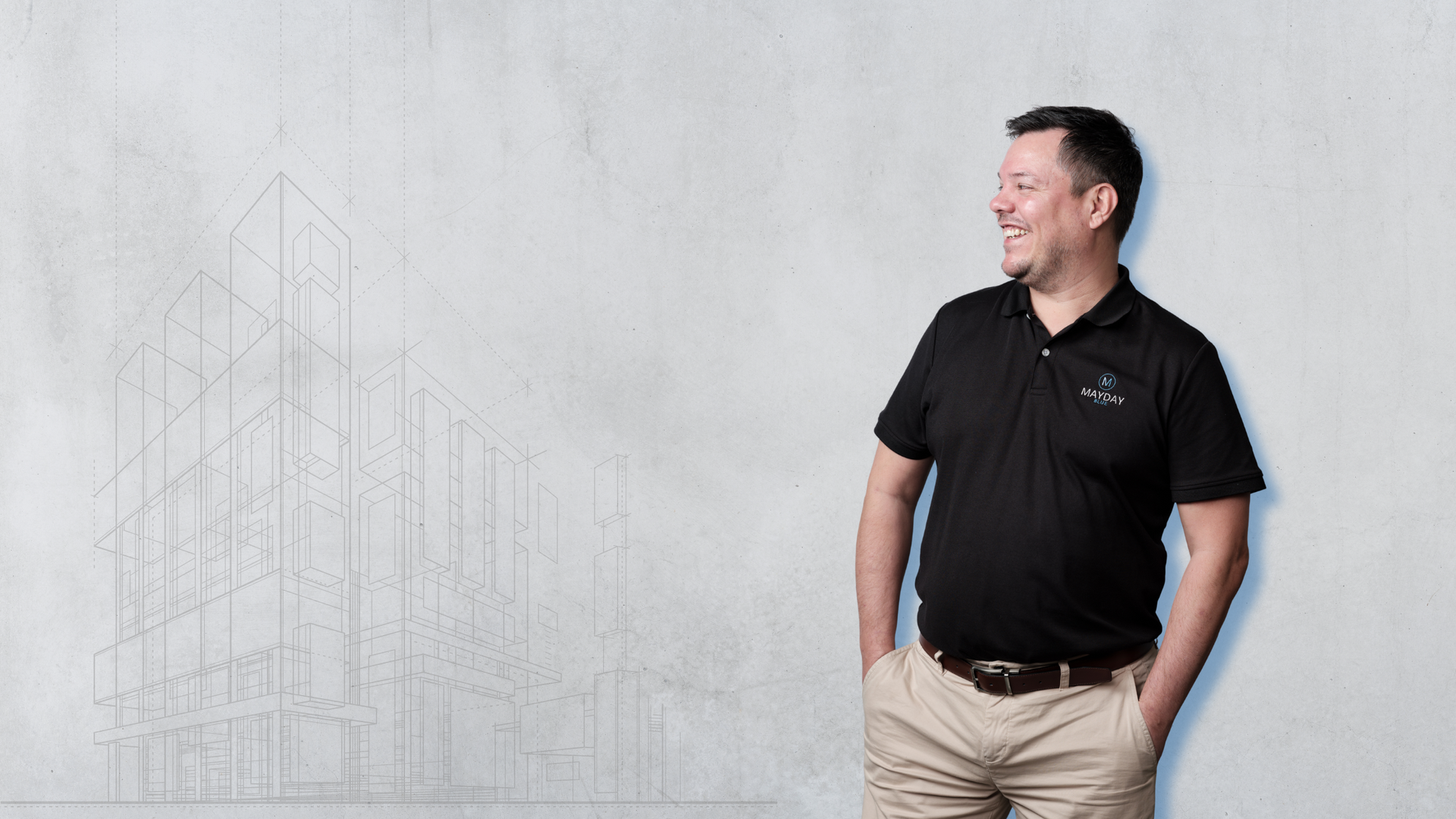
When it comes to technical, engineering, construction and operations recruitment, you won’t find anyone more grounded and trusted than David Booth. With over 20 years recruiting across engineering, logistics, manufacturing, trades, supply chain and operational leadership roles, David leads MAYDAY Technical with a calm confidence that only comes from doing the hard yards. Below, David shares what drives his approach, what clients value most about working with his team, and why the right technical talent is more critical than ever. 1. David, what’s the secret to recruiting well in technical and operational environments? Honestly, context. You can’t match the right person to the right role unless you understand the moving parts behind the scenes. Whether it’s a factory ramping production, a distribution centre under pressure or an engineering project with tight deliverables, you need to know the operational realities. My job isn’t just to fill a vacancy; it’s to keep a business or a project moving. 2. What do hiring managers appreciate most about working with MAYDAY Technical? They know we won’t waste their time. We’ve built a reputation for bringing well-vetted, reliable talent who can handle complexity, pace and compliance. When a client calls, it’s usually because something is urgent and they trust us to respond quickly without cutting corners. That mix of speed + quality is what keeps people coming back. 3. What kinds of candidates thrive in the environments you recruit for? People who are steady under pressure, solutions-focused and genuinely good humans. Technical skills matter, but attitude, accountability and communication are what make someone stand out. The best operators and leaders are the ones who can collaborate, adapt and keep things moving even when the unexpected hits. 4. What do you enjoy most about building MAYDAY Technical? The relationships. Technical recruitment is a long game; you earn trust by consistently showing up, doing the right thing and understanding the environments people work in. Seeing a candidate step into a role where they can genuinely make an impact, or supporting a client through a challenging period, is what makes it all worthwhile.